


Sleep Dentistry Near Me: What to Know Before Your Appointment
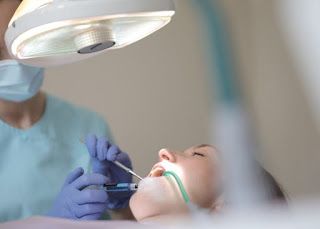
For some people, the hardest part of dental treatment is not the procedure itself. It is the thought of sitting in the dental chair in the first place. Dental anxiety, a strong gag reflex, previous uncomfortable experiences or the thought of a lengthy procedure can make even necessary treatment feel overwhelming.
That is where Sleep Dentistry Near Me may become a consideration. But what does sleep dentistry actually involve? Does it mean you are completely unconscious, and is it suitable for everyone?
Understanding the different dental sedation options can help you have a more informed conversation with your dentist and decide whether sedation may be appropriate for your individual circumstances.
What Is Sleep Dentistry?
Sleep dentistry is a general term commonly used to describe dental treatment provided with the help of sedation or, in some cases, general anaesthesia.
The level of sedation can vary. Some patients remain awake and able to respond during treatment, while general anaesthesia involves a controlled state of unconsciousness.
The appropriate option depends on factors such as your medical history, anxiety level, treatment requirements and the type and length of the procedure. A dentist or appropriately qualified practitioner should assess whether sedation is suitable before treatment.
It is important to remember that sedation is not automatically appropriate for every patient or every dental procedure.
Who May Consider Sedation for Dental Treatment?
Sedation may be considered for patients who experience:
- Dental anxiety or significant fear of dental treatment
- Difficulty coping with dental procedures
- A strong gag reflex that makes treatment difficult
- Difficulty remaining comfortable during longer procedures
- The need for complex or extensive dental treatment
- Previous difficult experiences with dental care
- Anxiety about particular procedures, such as wisdom tooth removal
Sedation should not simply be viewed as a way to avoid feeling anything during treatment. The purpose and level of sedation should be discussed carefully with the dental team based on your individual needs.
What Are the Different Sedation Options?
Not all sedation works in the same way. Your dentist or sedation provider can explain which option, if any, may be appropriate for you.
Nitrous Oxide
Nitrous oxide, sometimes called happy gas, is inhaled through a mask placed over the nose. It can provide minimal sedation and may help some patients feel calmer during dental treatment.
You remain conscious and can usually communicate with the dental team. Because its effects generally wear off relatively quickly after the gas is stopped, it can be an option for certain patients who feel nervous about treatment.
IV Sedation
IV sedation is administered through a vein and can provide a deeper level of relaxation than nitrous oxide.
With moderate IV sedation, patients generally remain responsive, although they may feel very relaxed and may remember little about the procedure afterwards.
Before IV sedation is considered, the dental team needs to review relevant medical information and assess whether it is suitable for you.
General Anaesthesia
General anaesthesia is different from conscious sedation. It produces a controlled state of unconsciousness and requires appropriate anaesthetic care and monitoring.
It may be considered in specific circumstances, such as some complex surgical procedures or extensive treatment, when clinically appropriate.
General anaesthesia should only be provided by appropriately qualified professionals in a suitable clinical setting.
Is Sleep Dentistry Suitable for Dental Anxiety?
For people with significant dental anxiety, sedation may be one option worth discussing with a dental professional.
However, sedation does not treat the underlying cause of dental anxiety by itself. Your dentist should understand what makes dental treatment difficult for you and explain the available approaches rather than assuming that sedation is automatically the answer.
Depending on your situation, a combination of communication, gradual treatment, behavioural strategies and an appropriate sedation option may help make dental care easier to manage.
Being open about your fears can also help the dental team adapt the appointment where possible.
What Happens Before a Sedation Appointment?
A proper assessment should take place before sedation.
Your dental team may need information about your:
- Medical history
- Current medications
- Allergies or previous reactions
- Previous experiences with sedation or anaesthesia
- Level of dental anxiety
- Planned dental treatment
You may also be given specific instructions about eating, drinking, medication and arranging transport, depending on the type of sedation being used.
Do not assume that the preparation requirements are the same for every form of sedation. Follow the instructions provided by your dental or anaesthetic team.
What Should You Expect During Treatment?
What you experience will depend on the sedation method being used.
With minimal or moderate sedation, you may remain awake and able to respond to the dental team. You may feel calmer and less aware of some aspects of the procedure.
With general anaesthesia, you are unconscious and require appropriate anaesthetic management.
The dental team should explain the planned approach, monitoring arrangements and what you can expect before treatment begins. Asking questions beforehand can make the process feel more predictable, particularly if uncertainty is contributing to your anxiety.
Can Sedation Be Used for Complex Dental Treatment?
In some cases, sedation may be considered when treatment is lengthy, complex or difficult for a patient to tolerate comfortably.
Depending on the individual situation, procedures such as wisdom teeth extraction, dental implants, complex oral surgery or extensive restorative treatment may be performed with sedation or general anaesthesia.
That does not mean every patient having these procedures will require sedation. The decision should be based on the patient’s health, treatment requirements, anxiety level and the clinical judgement of the treating team.
What Should You Ask Before Choosing Sedation?
If you are considering sedation dentistry, asking the right questions can help you understand whether it is appropriate for you.
Consider asking:
- What type of sedation is being recommended?
- Why is this option suitable for my treatment?
- Will I be awake and able to respond?
- What preparation is required?
- How will I be monitored during treatment?
- What should I expect afterwards?
- Will I need someone to take me home?
- Are there any specific risks or precautions I should know about?
A clear discussion is particularly important if you take regular medication or have other medical considerations.
How Do I Choose a Local Dentist for Sedation?
If you are searching for Sleep Dentistry Melbourne or a local option around Forest Hill, do more than compare the word “sleep” in a practice’s marketing.
Look for clear information about:
- The types of sedation available
- Who provides or administers the sedation
- How patients are assessed beforehand
- What monitoring is used
- Which types of treatment may be considered
- What happens after the appointment
- Whether the practice explains the risks and preparation requirements clearly
For patients around Forest Hill and nearby suburbs, it can also be useful to look for a Dentist Near Me that clearly explains its approach to anxious patients and sedation rather than relying on a generic claim about “sleep dentistry”.
At Brentford Dental, sedation options include nitrous oxide, IV sedation and access to general anaesthesia where appropriate, depending on the patient’s individual circumstances and treatment needs.
Frequently Asked Questions:
Does sleep dentistry mean I will be completely asleep?
No. The term can refer to different levels of sedation. Some forms allow you to remain awake and responsive, while general anaesthesia results in unconsciousness.
Is sedation suitable for everyone?
No. Suitability depends on factors including your health, medical history, medications, anxiety level and planned treatment. An appropriate assessment should take place before sedation.
Is sedation the same as general anaesthesia?
No. Sedation can range from minimal to deeper levels, depending on the technique. General anaesthesia produces a controlled state of unconsciousness and requires appropriate anaesthetic care.
Can sedation help with dental anxiety?
Sedation may help some patients feel more relaxed during dental treatment. However, the best approach depends on the individual, and sedation should be discussed with a qualified dental professional.
What should I do if I am nervous about seeing a dentist?
Tell the dental team about your concerns before treatment. Explaining what makes you anxious can help them understand your needs and discuss appropriate options, which may include adjustments to the appointment, behavioural strategies or sedation where suitable.
Nervous About Dental Treatment? Book a Consultation
Dental anxiety should not mean putting off the care you need. If you are worried about dental treatment, the first step is simply to talk through your concerns with a dental professional.
Brentford Dental can assess your needs, discuss suitable sedation options and explain what to expect before, during and after treatment. Whether you are concerned about anxiety, a strong gag reflex or a lengthy procedure, an appointment can help you understand your options and decide what is appropriate for you.
Ready to discuss your concerns? Contact Brentford Dental to book an appointment and speak with our team about suitable dental sedation options.