


Dentist Rowville: When Is a Dental Problem an Emergency?
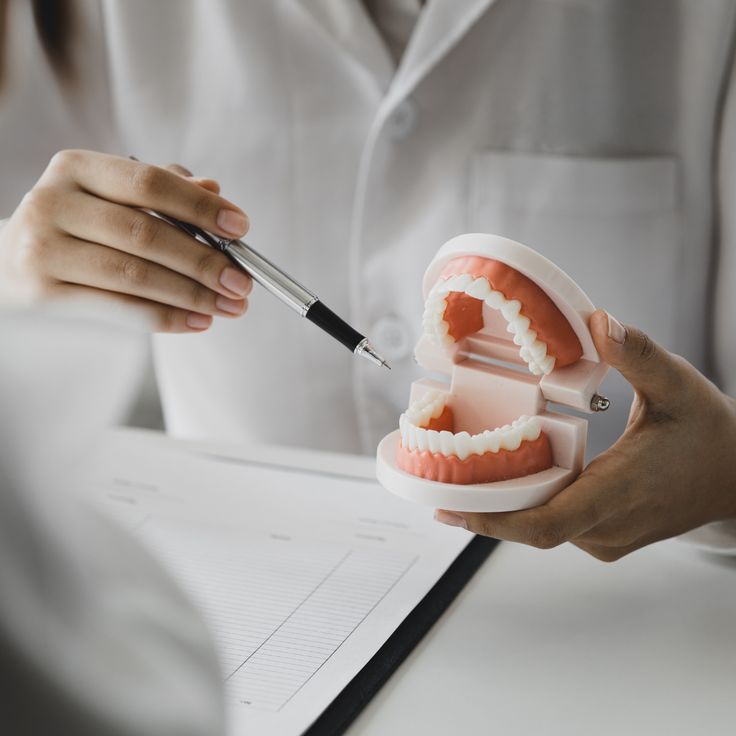
A sudden toothache, swelling or broken tooth can leave you wondering whether you should wait for a regular appointment or look for an Dentist Rowville patients can see promptly. Not every dental problem requires emergency care, but some symptoms need timely professional assessment to prevent the problem from becoming more serious. Knowing the warning signs can help you make a more informed decision about when to seek an Emergency Dentist Rowville patients can turn to for urgent dental concerns.
What Is Considered a Dental Emergency?
A dental emergency generally involves a problem that causes significant pain, bleeding, swelling, trauma or a risk of further damage to your teeth, gums or surrounding tissues.
Some problems may develop suddenly, such as a knocked-out tooth following an accident. Others can become urgent gradually, such as a tooth infection that causes increasing pain and facial swelling.
Common situations that may require prompt dental attention include:
- Severe or persistent toothache
- Significant swelling around the tooth, gums, jaw or face
- A dental abscess
- A knocked-out adult tooth
- A badly broken or cracked tooth
- Significant bleeding from the mouth
- A dental injury following an accident
- Severe pain associated with a wisdom tooth
- A lost filling, crown or other restoration accompanied by significant pain
A dental problem does not necessarily need to be extremely painful to require attention. For example, a dental injury may cause damage that is not immediately obvious, which is why assessment after an accident is important.
6 Dental Problems That May Need Urgent Attention
1. Severe or Persistent Toothache
Toothache is one of the most common reasons people look for an Emergency Dentist Rowville.
Dental pain can have several causes, including tooth decay, a cracked tooth, damaged fillings, gum problems, wisdom tooth issues or infection inside the tooth.
A mild sensitivity that disappears quickly may not be an emergency. However, persistent or severe pain should not simply be ignored.
According to healthdirect, toothache or gum swelling that lasts for more than two days or does not improve with pain relief should be assessed by a dentist. Pain accompanied by fever, pain when biting, a bad taste or swelling of the cheek or jaw also warrants prompt dental attention.
If tooth pain is affecting your ability to eat, sleep or carry out normal activities, arranging a dental assessment is sensible rather than continuing to wait for it to settle.
2. Swelling Around the Tooth or Face
Swelling can sometimes indicate an infection, including a dental abscess.
A dental abscess is an infection that can cause a collection of pus around a tooth. Symptoms may include throbbing pain, swelling, redness, sensitivity, fever, bad breath or a bad taste in the mouth. A dental abscess will not normally resolve on its own and requires professional assessment.
If you notice swelling around a tooth, your gums, cheek or jaw, contact a dentist promptly.
More serious symptoms require urgent medical attention. Difficulty breathing or swallowing, significant swelling around the eye or neck, or severe swelling affecting the mouth or tongue should not be treated as a routine dental issue.
3. A Knocked-Out Adult Tooth
A knocked-out permanent tooth is a time-sensitive dental injury.
If an adult tooth has been completely knocked out, carefully pick it up by the crown, which is the visible part of the tooth. Avoid touching the root. If the tooth is dirty, healthdirect advises quickly rinsing it with warm water without scrubbing it.
If possible, the tooth can be gently placed back into its socket. If this is not possible, it can be kept in milk or saliva while urgent dental care is arranged.
Getting professional help as quickly as possible gives the tooth the best chance of being saved. Healthdirect recommends aiming to reach a dentist or hospital within 30 minutes where possible.
Do not attempt to put a knocked-out baby tooth back into the socket. A child who loses a baby tooth following an injury should still be assessed by a dentist.
4. A Cracked, Chipped or Broken Tooth
A cracked or broken tooth can happen after an accident, biting something hard or because a tooth has already been weakened.
Not every small chip requires emergency treatment, but a significant break, severe pain, bleeding or visible damage to the inner part of the tooth should be assessed promptly.
If a piece of your tooth has broken off, keep it in milk or sterile saline and take it with you when you see your dentist.
Treatment will depend on the extent of the damage. Depending on the situation, a dentist may discuss options such as repairing the tooth, placing a crown or providing other restorative treatment.
5. Bleeding That Does Not Stop
A small amount of bleeding after certain dental problems may occur, but persistent or heavy bleeding requires attention.
If bleeding continues despite applying appropriate pressure, seek urgent medical or dental care. Heavy bleeding, particularly when accompanied by significant mouth or facial trauma, should not be ignored.
If you are experiencing severe tooth pain, swelling, a broken or knocked-out tooth, or another urgent dental problem, contact Brentford Dental to discuss your symptoms and available emergency appointment options.
6. Dental Problems After an Accident
Falls, sporting injuries, car accidents and blows to the face can damage teeth and gums even when there is little visible damage.
A tooth may become loose, displaced, cracked or painful following an injury. There can also be damage below the surface that cannot be identified simply by looking at the tooth.
Healthdirect recommends seeing a dentist after a dental injury because assessment can help identify damage and reduce the risk of longer-term complications. An examination and, where appropriate, dental X-rays may be used to assess the injury.
If you regularly participate in contact or high-impact sports, wearing a properly fitted mouthguard can also help reduce the risk of dental injuries.
What Should You Do While Waiting for Dental Care?
If you are experiencing a Dental Emergency Rowville residents should seek professional assessment rather than relying solely on home remedies.
While waiting for care, some simple measures may help with discomfort:
- Keep the affected area as clean as possible.
- Avoid very hot, cold or sugary foods if they increase sensitivity.
- Eat softer foods if chewing is painful.
- Use a cold compress against the outside of the face if there is swelling.
- For a mild toothache, rinsing gently with warm salt water may provide temporary relief.
- Ask a pharmacist or healthcare professional about suitable pain relief and always follow the product instructions.
These measures are temporary. They do not replace professional assessment when there is significant pain, swelling, infection or injury.
When Should You Contact a Dentist in Rowville?
If you are unsure whether your symptoms require urgent attention, it is reasonable to contact a dental practice and explain what has happened.
An Dentist Rowville patients choose for ongoing care can assess symptoms and advise whether you need an urgent appointment or a routine consultation.
Brentford Dental provides emergency dental appointments for urgent concerns including toothaches, swelling, chipped teeth, broken restorations and other unexpected dental problems whenever possible.
For patients searching for a Dentist near Rowville, the practice is located in Forest Hill and services Rowville as well as surrounding Melbourne suburbs.
Emergency Dental Care vs a Regular Appointment
It can be difficult to decide whether a problem is urgent or can wait.
A useful way to think about it is to consider:
Pain: Is the pain severe, persistent or getting worse?
Swelling: Is there swelling around your tooth, gums, face or jaw?
Infection: Do you have symptoms such as fever, a bad taste, pus or increasing swelling?
Injury: Has a tooth been knocked out, displaced, cracked or broken following an accident?
Bleeding: Is there significant bleeding that does not stop?
Function: Are you having difficulty eating, swallowing, speaking or opening your mouth?
These signs do not provide a diagnosis, but they can help you recognise when professional assessment should not be delayed.
Frequently Asked Questions
Is a severe toothache a dental emergency?
Severe or persistent toothache should be assessed promptly, particularly if it is accompanied by swelling, fever, a bad taste, pain when biting or difficulty eating or sleeping.
Can a dental abscess go away by itself?
A dental abscess requires professional assessment and treatment. It should not be assumed that an abscess will disappear without care, as an untreated infection can become more serious.
What should I do if my adult tooth is knocked out?
Handle the tooth by the crown rather than the root, avoid scrubbing it and seek urgent dental care. If possible, the tooth may be placed back into the socket, or stored in milk or saliva if this cannot be done.
Should I see a dentist for a broken tooth?
Yes. A cracked or broken tooth should be assessed, particularly if there is pain, bleeding or significant damage. Prompt treatment may help prevent further complications.
Get Dental Problems Checked Promptly
Knowing when to seek urgent dental care can make it easier to respond when a dental problem happens unexpectedly. Severe pain, facial swelling, dental injuries, knocked-out teeth, significant bleeding and possible infections should not simply be left to see whether they improve.
If you are looking for a Dentist Rowville patients can access for general or urgent dental concerns, Brentford Dental provides dental care for patients from Rowville and surrounding areas. If you are experiencing an unexpected dental problem, contact the team to discuss your symptoms and whether an urgent appointment is appropriate.
Contact Brentford Dental
Brentford Dental
📍 20–22 Brentford Square, Forest Hill, VIC 3131, Australia
📞(03) 7023 0066
✉️ info@brentforddental.com.au