


Children Dentist Forest Hill: What Parents Should Know Before Their Child’s First Visit
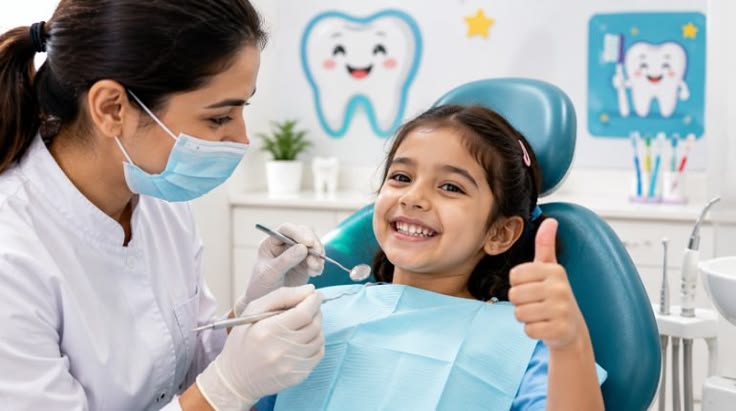
A child’s first dental visit can feel like a big moment for both parents and children. You may wonder whether your child is old enough, what will happen during the appointment, or how to make the experience feel comfortable rather than intimidating. Choosing the right Children Dentist Forest Hill can make that first step easier and help your child develop positive habits around oral health.
Dental care for children is not only about treating problems when they appear. Early visits can help parents understand how to care for growing teeth, recognise potential concerns and build routines that support good oral health as children grow.
When Should a Child First See a Dentist?
Many parents wait until they notice a problem before arranging a dental appointment. However, a first visit does not need to be triggered by toothache or visible damage.
An early dental visit gives parents an opportunity to discuss their child’s developing teeth, brushing routine, diet and everyday oral hygiene. It can also help children become familiar with the dental environment before they need more involved treatment.
For families looking for a Kids Dentist Forest Hill, choosing a practice that understands children’s needs can help make dental visits a more familiar part of growing up.
Why Early Dental Visits Matter
Baby teeth play an important role even though they are eventually replaced by adult teeth. They help children chew food, support speech development and maintain space for permanent teeth as they develop.
Good children’s oral health also depends on everyday habits. Brushing twice a day, cleaning between teeth when appropriate, choosing a balanced diet and attending dental appointments can all contribute to healthier teeth and gums.
Regular professional care can also help identify concerns before they become more complicated. A dentist can assess your child’s teeth and gums and provide guidance that is appropriate for their stage of development.
What Happens During a Child’s First Dental Visit?
A first appointment does not necessarily mean that your child will need treatment. The experience will depend on your child’s age, dental development, comfort level and individual needs.
A dental visit may involve:
- Looking at the teeth and gums
- Checking for signs of tooth decay or other concerns
- Discussing brushing and oral hygiene
- Talking with parents about diet and dental habits
- Answering questions about developing teeth
- Helping the child become familiar with the dental environment
The appointment is also an opportunity for parents to raise concerns. If your child has experienced sensitivity, discomfort, difficulty brushing or another change in their mouth, mention it during the consultation.
How Parents Can Prepare Their Child
Children often respond to the way adults talk about unfamiliar experiences. Keeping the conversation simple and positive can help your child approach their appointment with less uncertainty.
Before the visit, you can:
1. Explain What Will Happen
Use simple language to explain that the dentist will look at their teeth and help keep them healthy. Avoid describing treatment in a way that could make the appointment sound frightening.
2. Avoid Passing On Dental Fears
If you have had an unpleasant dental experience yourself, try not to transfer that anxiety to your child. Children can pick up on tone and body language, so a calm and reassuring approach can make a difference.
3. Keep the Routine Familiar
If possible, arrange the appointment at a time when your child is usually rested and comfortable. A rushed appointment after a tiring day may feel more difficult for some children.
4. Let Them Ask Questions
Children may want to know what the dentist will do, whether something will hurt or why they need to visit. Give them simple, honest answers and allow the dental team to explain clinical details appropriately.
What If Your Child Is Nervous About the Dentist?
Some children are naturally cautious around new people or unfamiliar environments. Others may become worried after hearing stories from friends or family.
This does not mean your child should avoid dental care.
Instead, a gradual and supportive approach can help children become more comfortable. A Family Dentist Forest Hill who regularly cares for children can provide parents with practical guidance while helping young patients become familiar with the dental setting.
If your child has significant dental anxiety in children, tell the dental team before the appointment. Knowing about your child’s concerns can help the team approach the visit with appropriate care and communication.
How Often Should Children Have Dental Check-Ups?
There is no single appointment schedule that is suitable for every child. The appropriate frequency depends on factors such as age, dental development, oral health, risk of tooth decay and individual circumstances.
Rather than relying on a fixed routine for every child, parents should follow the recommendations provided by their dental professional.
Regular dental check-ups can provide opportunities to monitor changes as children grow and to reinforce healthy habits at home.
You can also read our guide on how often you should visit a dentist for further information about routine dental care.
What Can Parents Do Between Dental Visits?
The time between appointments is just as important as the appointment itself. Everyday habits have a major role in supporting dental care for kids.
Parents can encourage children to:
- Brush their teeth regularly using an age-appropriate toothbrush and toothpaste.
- Spend enough time brushing all accessible tooth surfaces.
- Develop a consistent morning and evening brushing routine.
- Follow a balanced diet and limit frequent sugary snacks and drinks.
- Drink water regularly.
- Tell a parent when they experience tooth discomfort or notice something unusual.
- Follow personalised advice provided by their dental professional.
Children gradually become more independent with oral hygiene, but younger children may still need supervision or assistance to brush effectively.
When Should Parents Arrange an Earlier Dental Visit?
A routine appointment should not be the only reason to see a dentist. If your child develops a dental concern, it is sensible to seek professional advice rather than waiting for the next scheduled check-up.
Parents should consider contacting a dental practice if their child experiences:
- Persistent toothache
- Swelling around the teeth or gums
- A damaged or chipped tooth
- Unusual sensitivity
- Bleeding or irritated gums
- Difficulty chewing
- A dental injury or accident
- A noticeable change in a tooth
If your child experiences significant pain or a dental injury, prompt professional assessment is important. You can also read our guide to tooth pain and dental emergencies to understand when dental discomfort may require urgent attention.
Why Choosing the Right Children’s Dentist Matters
Finding a dentist is about more than location. For children, the way information is explained and the way the dental environment is introduced can influence how they feel about future appointments.
When comparing options for a Kids Dentist near me, parents may want to consider:
- Whether the practice provides children’s dental care
- Whether the team explains procedures clearly
- Whether appointments can be tailored to a child’s individual needs
- Whether the practice provides preventive guidance
- Whether the location is convenient for the family
- Whether parents can easily discuss concerns with the dental team
A nearby practice can certainly be convenient, but comfort, communication and appropriate care should also form part of the decision.
Building Positive Dental Habits Early
Children learn through repetition. A regular brushing routine, sensible food choices and positive conversations about dental care can gradually become normal parts of everyday life.
Parents do not need to make every dental conversation complicated. Simple reminders and consistent routines can help children understand that looking after their teeth is a normal part of staying healthy.
Early preventive dental care can also give parents an opportunity to ask questions as their child’s teeth and habits change.
Frequently Asked Questions:
1. At what age should a child first visit the dentist?
There is no need to wait until a child develops tooth pain before arranging a dental visit. Parents can discuss the appropriate timing for their child with a dental professional based on their age, teeth and individual circumstances.
2. What if my child is scared of the dentist?
Tell the dental team about your child’s concerns before the appointment. A calm introduction, simple explanations and a supportive approach may help children become more comfortable with the dental environment.
3. Do baby teeth really need dental care?
Yes. Baby teeth support chewing and speech and help maintain space while permanent teeth develop. Looking after them is an important part of children’s dental care.
4. How can I help my child brush properly?
Young children may need supervision or assistance with brushing. Your dental professional can provide guidance based on your child’s age and individual needs.
5. Should I take my child to the dentist if they have tooth pain?
Yes. Persistent tooth pain should be assessed rather than ignored. Dental pain can have different causes, so professional evaluation can help determine what is happening.
6. Can regular dental visits help prevent problems?
Regular dental visits allow a dentist to monitor oral health, identify concerns and provide personalised advice. They work alongside daily brushing, healthy habits and appropriate home care.
Ready to Make Your Child’s Dental Care a Positive Experience?
Your child does not need to wait for toothache before dental care becomes important. Starting with the right guidance can help parents understand their child’s changing dental needs and build healthy habits from an early age.
If you are considering Children Dentist Forest Hill for your child, take a moment to learn more about Brentford Dental and the experience of other local families. You can visit our Google Business Profile to read patient reviews, check clinic details, and get easy directions to the Forest Hill clinic in one place.
If you still have questions about your child’s dental needs, the simplest next step is to speak with the Brentford Dental team. Whether you are arranging a first visit, have noticed a change in your child’s teeth or simply want professional guidance, getting advice early can give you greater confidence about what to do next.
Give your child the right start. Take the first step towards healthier dental habits today.