


What Are the Early Signs You May Need a Root Canal Treatment?
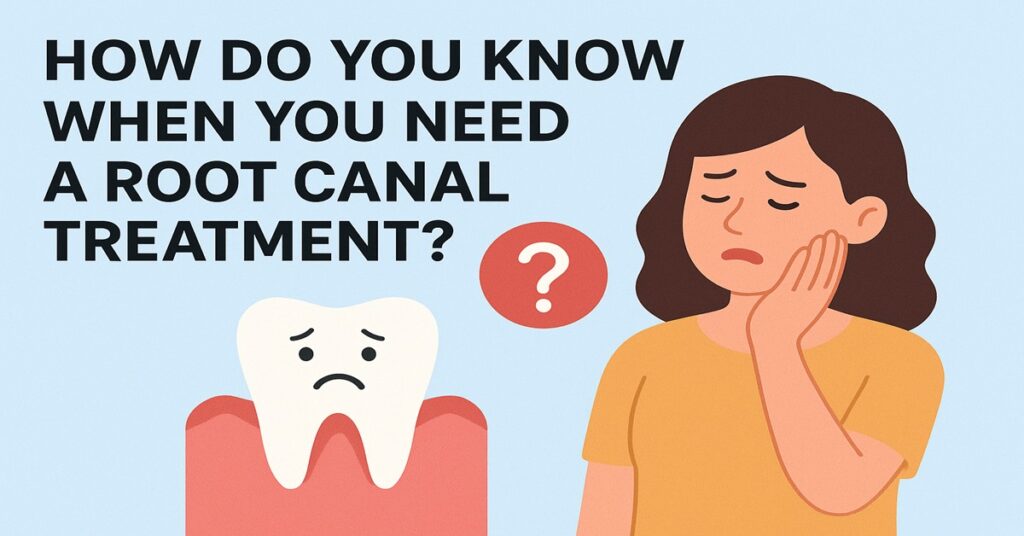
Dental problems do not always begin with severe pain. In many cases, the early signs of tooth infection or damage can be subtle and easy to overlook. Recognising these symptoms early and seeking professional dental care may help prevent further complications and support long-term oral health.
Root canal treatment is a common dental procedure used to treat infection or inflammation inside a tooth. The goal is to remove the affected tissue, relieve discomfort and help preserve the natural tooth whenever possible.
Understanding Root Canal Treatment
Inside every tooth is a soft tissue known as the dental pulp. This pulp contains nerves and blood vessels that help support tooth development. When the pulp becomes infected or inflamed due to deep decay, trauma or cracks in the tooth, treatment may be required to prevent the condition from worsening.
Root canal treatment involves carefully removing the damaged tissue, cleaning the inside of the tooth and sealing it to help protect against future infection.
Signs You May Need a Root Canal Treatment
The symptoms of a dental infection can vary from person to person. Some individuals experience ongoing discomfort, while others notice changes in the appearance or sensitivity of a tooth.
Common warning signs may include:
- Persistent tooth pain that does not fully resolve
- Sensitivity to hot or cold foods and drinks
- Pain when chewing or biting
- Swollen or tender gums near a tooth
- Discolouration or darkening of a tooth
- A pimple-like bump on the gums
- Increased tooth sensitivity without an obvious cause
If any of these symptoms continue or become more noticeable over time, it is important to arrange a dental assessment.
Why Early Diagnosis Matters
Many dental infections start as relatively minor problems before progressing into more serious conditions. Delaying treatment may allow infection to spread deeper into the tooth and surrounding tissues, potentially increasing the complexity of treatment.
Early diagnosis often provides more treatment options and may help preserve the natural tooth. Seeking professional advice as soon as symptoms develop can help reduce discomfort and support better long-term outcomes.
What Causes a Tooth to Need Root Canal Treatment?
Root canal treatment is often recommended when the dental pulp becomes damaged or infected. This can occur due to untreated tooth decay, deep cavities, cracked teeth, repeated dental procedures on the same tooth or dental trauma caused by an accident or injury.
Although these issues may develop gradually, regular dental check-ups can often identify concerns early before significant infection occurs.
What Happens During Root Canal Treatment?
Every patient’s situation is different, but treatment generally begins with a detailed examination of the affected tooth. Diagnostic imaging may be recommended to assess the extent of the infection and determine the most appropriate treatment plan.
The infected tissue is carefully removed, the internal canals of the tooth are cleaned and disinfected, and the tooth is sealed to help prevent future infection. Depending on the condition of the tooth, a dental crown or other restoration may also be recommended to provide additional protection and strength.
Modern dental techniques have made root canal treatment significantly more comfortable than many people expect.
Can Root Canal Treatment Save Your Natural Tooth?
One of the primary benefits of root canal treatment is that it allows many patients to preserve their natural tooth. Maintaining natural teeth can help support normal chewing function, protect surrounding teeth and contribute to overall oral health.
Saving a natural tooth is often preferable to extraction whenever clinically appropriate.
Reducing the Risk of Future Dental Problems
Good oral hygiene habits play an important role in reducing the risk of tooth infections and other dental complications. Brushing twice daily, flossing regularly and attending routine dental check-ups can help identify problems before they become more serious.
Addressing dental concerns early and maintaining preventive care appointments can significantly reduce the likelihood of needing complex dental treatment in the future.
Professional Dental Care in Forest Hill
At Brentford Dental, we provide personalised dental care focused on prevention, early diagnosis and long-term oral health. Our experienced team works closely with patients to identify concerns early and recommend treatment options that support healthy, confident smiles.
Many patients delay treatment because symptoms seem minor at first. However, ongoing sensitivity, discomfort or swelling should always be professionally assessed. Early diagnosis often provides more treatment options and may help preserve the natural tooth.
We are proud to provide personalised care for patients looking for a trusted Dentist Forest Hill families can rely on. Our team focuses on prevention, early diagnosis and long-term oral health for individuals and families.
Frequently Asked Questions
1. Does needing a root canal always mean severe pain?
Not always. Some patients experience only mild sensitivity or intermittent discomfort before more noticeable symptoms develop.
2. Can a tooth infection go away on its own?
Dental infections generally require professional treatment. Delaying care may allow the infection to worsen over time.
3. How long does root canal treatment take?
Treatment time varies depending on the condition of the tooth and the complexity of the case. Your dentist will discuss the expected treatment process during your consultation.
4. Is root canal treatment safe?
Root canal treatment is a well-established dental procedure that is commonly used to manage infection and preserve natural teeth.
5. Can regular dental visits help prevent root canal treatment?
Routine dental examinations can help identify tooth decay, cracks and other concerns early, reducing the risk of advanced infection and more complex treatment.