

All on 4 Dental Implants Near Me: Could They Replace a Full Arch of Teeth?
When several teeth in the same arch are missing, damaged or no longer suitable for restoration, replacing each tooth individually may not always be the only option to consider. Full-arch implant treatment can provide a fixed replacement for an entire arch, but the right approach depends on the condition of your teeth, gums, jawbone and overall oral health.
If you are searching for All on 4 dental implants near me, you may be wondering whether four implants can really support a complete arch of replacement teeth. The short answer is yes, in suitable cases.
However, implant number is only one part of treatment planning. A proper examination is needed to determine whether this approach is appropriate for you.
How Can Four Implants Support a Full Arch?
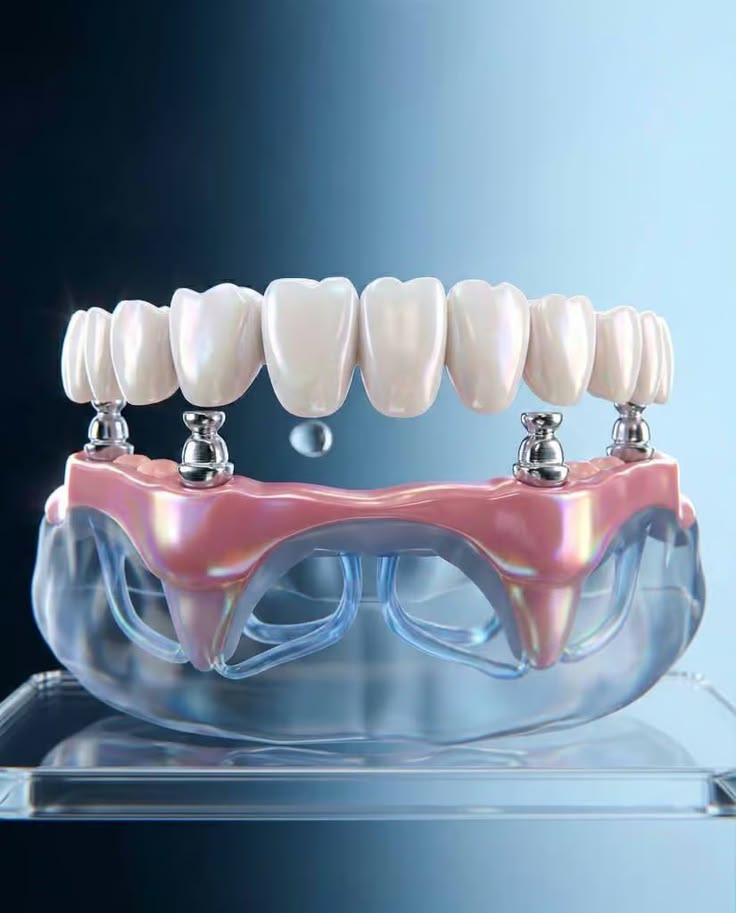
All-on-4 treatment is designed around a different concept from replacing every missing tooth with a separate implant.
Instead, four strategically positioned implants can support a fixed full-arch restoration when the patient’s clinical circumstances make this approach appropriate.
The aim is to replace a complete arch rather than restore each missing tooth separately. This can make the treatment particularly relevant for people who have extensive tooth loss or several teeth that are severely compromised.
However, four implants are not automatically suitable for every patient. Bone availability, gum health, the condition of remaining teeth, bite and the planned restoration all need to be considered.
That is why the treatment should begin with assessment rather than assuming that an advertised treatment will be suitable.
When Might a Full-Arch Solution Be Discussed?
A dentist may discuss full-arch implant treatment when a patient has extensive tooth loss or several teeth with a poor long-term outlook.
It may be considered where there are:
- Multiple missing teeth within one arch
- Severely damaged or failing teeth
- Significant difficulty chewing
- Problems with the stability of removable dentures
- Extensive restorative needs affecting most of an arch
The presence of one of these concerns does not automatically mean that full-arch implants are the right choice.
A clinical assessment is needed to understand the condition of the mouth and determine which treatment options are realistic.
What Does the First Assessment Look At?
A full-arch implant consultation is more than simply discussing whether you want implants.
The dentist needs to understand what is happening inside your mouth before a treatment plan can be developed. This may involve reviewing your dental history, examining your teeth and gums and assessing your bite.
Imaging can also help assess the jawbone and other structures relevant to implant planning.
The current Brentford Dental implant consultation information states that an in-person consultation includes an examination and X-rays, with treatment options discussed according to individual needs.
You may also be asked about:
- Previous dental treatment
- Loose or painful teeth
- Gum problems
- Medical history and medications
- Smoking
- Teeth grinding
- Your expectations from treatment
This information helps the dental team understand whether full-arch treatment is appropriate and whether additional treatment may be needed first.
What If Some Teeth Are Still Present?
Having some natural teeth remaining does not necessarily rule out a full-arch treatment discussion.
The important question is whether those teeth are healthy and predictable enough to retain. Teeth with extensive damage, infection, advanced periodontal problems or poor structural support may need to be assessed differently from teeth that can still be restored.
This is where individual treatment planning becomes important.
Rather than deciding that every remaining tooth should be removed, the dentist should assess the condition of the teeth and explain the available options.
For some patients, retaining suitable natural teeth may be possible. For others, a full-arch restoration may be considered if the remaining teeth have a poor prognosis.
Does Bone Loss Mean You Cannot Have Implants?
Not necessarily.
The jawbone can change after tooth loss, and bone loss can also occur in association with gum disease and other dental conditions. Because dental implants rely on adequate bone support, the available bone is an important part of planning.
If there is insufficient support in a particular area, additional procedures may sometimes be considered. Whether these are necessary depends on the location and extent of the bone changes.
This is why imaging and clinical assessment are important before deciding on treatment.
It also means you should be cautious about online claims suggesting that one implant technique is suitable for everyone regardless of their dental condition.
All-on-4 or All-on-X: What Is the Difference?
These terms are related, but they are not interchangeable.
All-on-4 generally refers to a full-arch restoration supported by four implants. All-on-X is a broader approach where the number of implants can vary according to the treatment plan.
This distinction matters when comparing treatment options.
Brentford Dental’s current implant information lists All on 4 Dental Implants Forest Hill as a treatment option. Its newer All-on-X offer explains that five or six implants may be used rather than restricting treatment to four.
So, if a dentist recommends more than four implants after assessing your mouth, that does not necessarily mean the treatment is unrelated to full-arch implant dentistry. It may reflect the clinician’s approach to stability and treatment planning.
The important question is why that particular number and configuration has been recommended for your case.
What Does Full-Arch Treatment Usually Involve?
Although every treatment plan is different, full-arch implant care generally involves several stages.
Assessment
Your oral health, remaining teeth, gums and jawbone are examined, with appropriate imaging used for planning.
Treatment planning
The dentist explains the proposed approach, restoration, expected stages and any preparation required.
Implant placement
The implants are placed according to the treatment plan. The procedure and number of implants depend on the individual case.
Healing
The implants require time to integrate with the surrounding bone. The healing period can vary between patients.
Final restoration
Once the treatment has progressed appropriately, the planned fixed restoration is fitted and adjusted.
The exact sequence and timing should be explained during your consultation rather than assumed from another patient’s experience.
What Should You Compare Before Choosing a Clinic?
Searching online can give you an idea of the terminology and treatment types available, but comparing implant treatment purely on price or the number of implants can leave important questions unanswered.
Before proceeding, ask:
- Who will assess my implant suitability?
- What condition are my remaining teeth in?
- How much bone support do I have?
- How many implants are being recommended and why?
- What type of fixed restoration will I receive?
- Will I need extractions?
- Could I need bone or gum treatment?
- What does the quoted treatment include?
- How long is the expected treatment journey?
- What follow-up and maintenance will be required?
For people researching All-on-4 dental implants Melbourne, these questions can be more useful than simply comparing advertisements because the treatment plan should reflect the patient’s individual clinical situation.
Is Full-Arch Implant Treatment Available in Forest Hill?
Yes. Brentford Dental’s Forest Hill clinic currently lists All-on-4 treatment among its dental implant options and provides in-person implant consultations.
The clinic is located at 20–22 Brentford Square, Forest Hill, VIC 3131. Its service area also includes nearby suburbs such as Vermont, Vermont South, Blackburn, Blackburn South and Nunawading, as well as Burwood, Glen Waverley and Box Hill across Melbourne’s eastern suburbs.
For someone researching full mouth dental implants Melbourne, the useful next step is to have the mouth assessed rather than choosing a treatment solely from an online description.
The consultation can help establish whether a full-arch approach is appropriate, what preparation may be needed and what treatment alternatives should be considered.
What Can You Expect After Implant Placement?
Implant treatment does not finish when the implants are placed.
Healing and ongoing maintenance are important parts of the treatment journey. Your dentist will provide instructions for caring for the treatment area and explain when follow-up appointments are required.
Once the final restoration is fitted, daily oral hygiene remains important. Cleaning around the restoration, attending recommended dental appointments and reporting unusual changes can help your dental team monitor your oral health.
Contact your dental team if you notice persistent pain, swelling, bleeding, movement of the restoration or other changes that concern you.
Are All-on-4 Implants Suitable for Everyone?
No.
Suitability depends on individual clinical factors. These can include the condition of your gums, available bone, remaining teeth, medical history, medications, smoking and your ability to maintain good oral hygiene.
This is particularly important with full-arch treatment because it involves a significant investment of time, treatment and ongoing maintenance.
A dentist should explain the expected benefits, limitations, risks and alternatives relevant to your circumstances before you make a decision.
Questions Worth Asking at Your Consultation
A consultation is a good opportunity to move beyond the basic question of whether you can have implants.
Ask your dentist:
Why is this treatment being recommended for me?
Understanding the clinical reason behind the recommendation can help you compare it with other options.
How many implants will I need?
The number should be based on your anatomy, treatment plan and restoration rather than simply choosing a number because it appears in an advertisement.
What happens if I need additional treatment?
Ask whether extractions, gum treatment or bone-related procedures may be required.
What will the final restoration be like?
Find out what type of fixed teeth will be provided and how they will be maintained.
What happens after treatment?
Ask about healing, follow-up appointments, hygiene and long-term maintenance.
These questions can help you understand the complete treatment journey before committing to a particular option.
Frequently Asked Questions
Can four implants support a full arch?
Yes. In suitable cases, four strategically positioned implants can support a fixed full-arch restoration. Suitability depends on factors such as bone support, gum health, existing teeth and the planned restoration.
Is All-on-4 the same as All-on-X?
No. All-on-4 specifically refers to a full-arch approach using four implants, while All-on-X is a broader approach where the number of implants can vary according to the treatment plan.
Can I have full-arch implants if I still have some teeth?
Possibly. The condition and long-term outlook of the remaining teeth need to be assessed before deciding whether they should be retained or replaced.
Does bone loss prevent implant treatment?
Not necessarily. The amount and location of bone loss need to be assessed, and additional treatment may sometimes be considered.
How long does full-arch implant treatment take?
The timeline varies according to the patient’s oral health, treatment complexity, healing and restoration requirements. Your dentist can provide a more specific estimate after assessment.
How do I know whether I am suitable?
A dental examination and appropriate imaging are needed to assess your teeth, gums and jawbone and determine which treatment options may be appropriate.
Thinking About Full-Arch Tooth Replacement?
If you have several missing, damaged or failing teeth, the first step is understanding what is happening with your oral health and which options are realistically available.
If you are searching for All on 4 dental implants near me, a consultation can help you understand whether a full-arch implant approach is appropriate for your situation, how the treatment could be planned and what alternatives may be available.
Brentford Dental
20–22 Brentford Square, Forest Hill, VIC 3131, Australia
(03) 7023 0066
info@brentforddental.com.au
Ready to discuss your options? Call (03) 7023 0066 to arrange an implant consultation and get clear answers about your treatment needs before making a decision.